
Holistic Health Clinic serving Royal Oak & Oakland County | Functional Medicine, Weight Loss & Hormones

Empowering women to thrive with functional medicine, sustainable weight management and holistic wellness.

REQUEST AN APPOINTMENT

This is your time to thrive, and we’re here to make sure you do it with confidence, strength, and a whole lot of self-love.

Each stage of life brings new opportunities to prioritize your health and well-being. At our clinic in Royal Oak, MI, we help you take control of your health journey. Through functional medicine and sustainable weight management, we uncover the root causes of your symptoms, empowering you to reclaim your energy, vitality, and sense of self.


Brain fog, sudden weight gain, and insomnia making you feel like you’re not yourself anymore?-We get it.

You deserve to feel vibrant and energized—not stuck in a cycle of exhaustion and frustration.


You should be able to manage your weight without crash diets or spending hours in the gym.


You should be sleeping through the night, waking up refreshed, and ready to take on your day.


REQUEST AN APPOINTMENT

It’s time to stop surviving and start thriving. Let’s make it happen. This is your time.

What if you could learn how to balance your hormones and reclaim your confidence in just a few months—without feeling overwhelmed or guessing what works?

REQUEST AN APPOINTMENT

We’re redefining what health care means for women like you—because this isn’t about aging, or treating symptoms—we help you take holistic control of your health, your body, and your life so you can live this era fully and unapologetically.

Functional Medicine

We’re not about quick fixes. We dig deep to find the root causes of what’s holding you back, so you can finally feel balanced, energized, and in control of your health.

REQUEST AN APPOINTMENT

Medical weight loss

Ditch the diets that don’t work. We’ll help you fuel your body in a way that feels good, works with your hormones, and fits your real life—because eating well shouldn’t feel like a struggle.

REQUEST AN APPOINTMENT

Nutrition

Nourishing your body shouldn’t feel like a guessing game. Our personalized nutrition plans are designed to support your unique needs—balancing hormones, improving energy, and fueling your body in a way that works for your lifestyle.

REQUEST AN APPOINTMENT

Mindfulness

Life’s chaos doesn’t have to control you. We’ll guide you in simple, doable practices to quiet the noise, manage stress, and reconnect with your calm, grounded self.
REQUEST AN APPOINTMENT

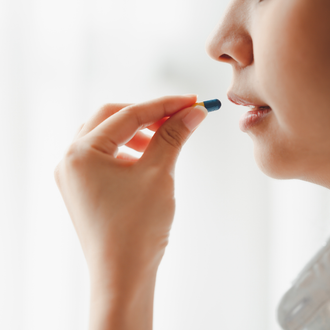
Medication

Sometimes, your body needs a little extra support—and that’s okay. We use medication thoughtfully and as part of a bigger plan to get you feeling your best, faster and sustainably.

REQUEST AN APPOINTMENT

It’s time to reclaim your energy,  confidence, and power, so you can thrive in this incredible chapter of your life.

How it works

01

Start your application

Take the first step toward reclaiming your energy, balance, and confidence by filling out an application here.


02

Discover your personalized program

Together, we’ll uncover the root causes of your symptoms and design a tailored plan to meet your unique needs. Our programs require a minimum 3 month commitment to ensure lasting transformation.


03

Redefine your holistic health

This is your journey to vibrant, sustainable wellness. With our support, you’ll embrace the healthiest, most empowered version of yourself—inside and out.


7 healthy recipes to add to your diet

Our free guide is your gateway to a tastier and healthier way of eating. Inside, you'll find seven handpicked recipes that not only delight your taste buds but also nourish your body.



FUNCTIONAL MEDICINE AND MEDICAL WEIGHT LOSS CLINIC IN ROYAL OAK, MI

Board-certified functional medicine and weight management physicians, female, specialized, with over 10 years of experience.

Hi, we’re Dr. Erin Hendriks and Dr. Maricela Castillo MacKenzie—the founders of Elle MD in Royal Oak, Michigan and your partners in redefining what thriving looks like in your 40s and beyond. Together, we’re on a mission to help women feel vibrant, confident, and in control of their health.


We firmly believe that this stage of life isn’t about settling—it’s about rising. That’s why we started Elle MD: to create a space where women are heard, understood, and empowered with personalized care that addresses the root causes of their health challenges. From stubborn weight gain to hormonal chaos, we’re here to help you reclaim your energy, balance, and confidence.

When we’re not designing customized wellness plans or cheering on your progress, you’ll find Dr. Hendriks experimenting with French cooking and Dr. Castillo MacKenzie traveling with her family.

We both believe life is better with laughter and good friends.

ABOUT US

What our patients say about us...

This is your moment to rise and thrive.

We’re here to help you reclaim your health, your body, and your life—because you deserve nothing less.

Your health journey starts here.

Let’s redefine what’s possible and help you live boldly, unapologetically, and vibrantly every single day.

REQUEST AN APPOINTMENT

On the blog

READ MORE
By Erin Hendriks February 7, 2026
Heart disease can silently develop for years before doctors diagnose it. This deadly condition leads to more deaths in the United States than any other cause, taking nearly 1 in every 4 lives. Most people don't discover they have heart disease until they face a serious event—like a heart attack. Many people picture heart disease as a sudden event with dramatic chest pain. The truth paints a different picture. Your body might show subtle early signs that you could mistake for stress, aging, or minor health problems. Heart disease doesn't appear overnight. It slowly develops while showing early warning signs long before serious problems emerge. You can get treatment and potentially prevent a heart attack or stroke by learning these warning signs. Early symptoms detection plays a vital role in getting medical help quickly—and could save your life. Understanding Silent Heart Disease and Its Hidden Onset Silent heart disease got its nickname for a good reason. Most health conditions show clear warning signs, but heart disease can develop without any red flags. This makes it especially dangerous because coronary artery disease can progress undetected until something serious happens. What is heart disease and why it can go unnoticed "Heart disease" covers many conditions that affect how your heart works. The most common type is coronary artery disease (CAD), which happens when plaque builds up and blocks the arteries that supply blood to your heart. This is a big deal as it means that coronary artery disease caused approximately 493,000 deaths in the United States in 2021, or roughly 1,350 deaths per day.every 24 seconds, someone in America dies from this condition - about 1,905 deaths daily. It's the number one killer of both men and women. Silent heart disease, also known as "silent ischemia" or "silent myocardial infarction (SMI)", damages your heart muscle without showing the usual warning signs. Your heart keeps working even with reduced blood flow by adapting in several ways: It works harder to make up for less blood flow Your body creates new blood pathways (collateral circulation) You might mistake subtle signs as normal aging, stress, or being tired Many people don't know they have a problem until it's too late. Research shows that 22% to 60% of all heart attacks happen silently. Each year in the U.S., about 805,000 people have heart attacks, and roughly 170,000 - or one in five - are silent. How silent symptoms differ from classic heart attack signs We all know the classic heart attack signs - severe chest pain, trouble breathing, cold sweats, and pain spreading to the arms. Silent heart disease is trickier because its signs are much more subtle, and people often blame them on something else. Instead of the dramatic chest-grabbing scene you see in movies, silent heart problems might show up as: Mild chest discomfort that feels like heartburn or pulled muscles Feeling unusually tired even after resting Getting out of breath doing simple things like climbing stairs Unexplained pain in your jaw, neck, or upper back Feeling sick to your stomach or having digestive problems Getting dizzy without doing anything strenuous Breaking into cold sweats without physical activity Some groups face higher risks of having silent symptoms. Women often experience different signs like nausea, jaw pain, and unusual tiredness instead of chest pain. People with diabetes might miss heart attack symptoms because nerve damage blocks pain signals. Older adults may not notice typical chest pain during a heart attack because their pain perception changes with age. The biggest problem is missing these subtle warning signs. Unlike angina (chest pain) that comes with exercise and goes away with rest, silent heart disease symptoms don't follow clear patterns. You should pay attention to any symptom that shows up during activity and improves with rest, especially if you have risk factors. Even though it's called "silent," this condition causes real damage to your heart. Blocked blood flow creates scars and weakens your heart muscle, which makes future serious heart problems much more likely. 8 Early Signs of Heart Disease That Often Go Ignored Your heart sends subtle warning signals that could mean the difference between early treatment and a medical emergency. Most people expect dramatic chest-clutching moments as heart attack signs. The truth is your body often gives gentler warnings first. 1. Chest tightness or pressure during mild activity Your chest might feel uncomfortable during physical activity - an early warning sign of heart disease. This discomfort feels like pressure, heaviness, burning, or squeezing that gets better with rest. Your heart might not receive enough oxygen-rich blood through narrowed arteries when you feel chest pain from walking, climbing stairs, or light exercise. The discomfort might seem minor at first but gets worse as you continue moving. Note that chest pain lasting more than five minutes, becoming severe, or appearing with sweating or dizziness could signal a heart attack instead of stable angina. 2. Shortness of breath while resting or lying down Heart failure often shows up as unexpected breathlessness, especially when you lie flat or do activities that never bothered you before. Blood backs up in your pulmonary veins because your heart can't keep up, letting fluid leak into your lungs. Many people need extra pillows to prop up their upper body for easier breathing at night. Your heart might struggle to pump if you get winded after ten stairs when you used to handle several flights easily. 3. Persistent fatigue despite adequate rest Deep tiredness that rest doesn't fix stands out as one of heart failure's most frustrating signs. This exhaustion goes beyond normal fatigue. Heart specialists see three types: biological (your organs and muscles get less oxygen), psychological (worry about heart disease), and social (pulling back from regular activities). People often say they feel like their "battery is running out" all day even after good sleep. 4. Swollen ankles or feet from fluid retention Heart failure affects your circulation and shows up as swelling in your lower body. Blood backs up in veins heading to your heart when it doesn't pump well. This forces fluid from blood vessels into nearby tissues. The swelling usually starts in ankles and feet, sometimes reaching your abdomen. You might notice less swelling when you wake up, but it gets worse throughout the day. Unlike other causes of swelling, heart-related edema sticks around and often comes with unexplained weight gain from extra fluid. 5. Dizziness or lightheadedness without exertion Random spells of dizziness might mean your brain isn't getting enough blood due to heart issues. This happens with irregular heartbeats, cardiomyopathy, or atrial fibrillation. Your heart might not pump blood effectively if you often feel off-balance, faint, or like the room spins for no reason. These symptoms need quick medical attention, especially with other heart disease signs like fatigue or breathing problems. 6. Irregular heartbeat or palpitations Sudden awareness of your heart racing, fluttering, skipping beats, or pounding might point to electrical problems in your heart. Noticing your heartbeat sometimes is normal, but frequent episodes need medical checks. People describe it as their heart "jumping around erratically" or beating unusually fast. These feelings might signal arrhythmias like atrial fibrillation, which affects 6 million Americans today and could double by 2030. 7. Cold hands and feet due to poor circulation Constantly cold extremities might signal circulation problems from heart issues. Your heart might not pump blood effectively throughout your body if your hands and feet stay cold regardless of temperature. This reduced blood flow starves tissues of oxygen and nutrients. Cold extremities often show up first among cardiovascular disease signs, including blocked arteries, heart failure, or irregular heartbeats. Watch for pale, bluish, or purplish skin color changes too. 8. Jaw, neck, or upper back pain not linked to injury Pain in your jaw, neck, or upper back during activity might come from your heart, especially without injury. Disrupted blood flow causes nerve signals from your heart to travel elsewhere, creating referred pain. Women report these unusual symptoms during heart attacks more often, describing pain that spreads to their jaw, neck, or between shoulder blades. The percentage of women without chest discomfort varies by race/ethnicity: 42% of White women, 38% of Black women, and 28% of Hispanic women did not report chest discomfort during acute myocardial infarction. About 40% of women never feel chest discomfort during heart attacks, focusing instead on arm pain or jaw discomfort. Why These Symptoms Start Years Before Diagnosis Heart disease progresses silently for decades before doctors can diagnose it, and damage builds up slowly under the surface. People often miss the early warning signs because symptoms take so long to appear. Atherosclerosis progression and reduced blood flow Heart disease can damage your body quietly for years without showing any symptoms. You might develop atherosclerosis—the main cause of heart problems—as early as childhood, and it can progress faster in some people. The process starts when plaque (made of cholesterol, fat, calcium, and other substances) builds up inside your artery walls. Your arteries become thicker and harder as time passes, which restricts blood flow. These narrowed arteries work like a highway where all but one of these lanes are closed. This limits how much oxygen reaches your heart muscle. Research shows that your cardiovascular fitness starts declining about 12 years before diagnosis, and the decline speeds up in the last two years. Heart muscle strain and oxygen deprivation over time Myocardial ischemia happens when your heart muscle doesn't get enough oxygen due to poor blood flow. Your heart has to work harder to keep going—similar to an engine running at high RPMs without enough oil. Complete blockage can cause permanent damage within 30 minutes, but partial blockages can strain your heart for years. This ongoing strain demonstrates itself through subtle symptoms that you might mistake for normal aging or tiredness. Your stamina drops, you get out of breath easier, and exercise becomes harder as your heart don't deal very well with reduced blood supply. Electrical system disruptions leading to arrhythmias Your heart's electrical system controls your heartbeat through signals that start in the sinus node and travel through the heart's chambers. Several factors can disrupt this delicate system years before diagnosis: Coronary artery disease and blocked arteries High blood pressure causing heart chamber stiffening Structural changes from cardiomyopathy Diabetes-related damage Sleep apnea These disruptions show up as arrhythmias—abnormal heart rhythms where your heart beats too quickly, too slowly, or irregularly. Arrhythmias point to underlying heart disease and can weaken your heart over time. The electrical pathways become more compromised, and you might experience palpitations, fatigue, and dizziness—subtle warnings that often appear years before diagnosis. There's another reason why this matters: these early electrical disturbances create a dangerous cycle. Each irregularity can put more strain on your heart, which makes the disease progress faster. Risk Factors That Make Silent Symptoms More Likely Risk factors can increase your chances of developing silent heart disease. The symptoms might go unnoticed for years. Your understanding of these risk factors helps identify who faces the highest risk of heart disease progression. High blood pressure and cholesterol buildup High blood pressure affects over 45% about 48% of American adults and strains the heart while damaging arterial walls. About 40% of adults have high cholesterol levels above 200 mg/dL, leading to plaque buildup in arteries. These conditions create a mutually beneficial relationship—more than 60% of people with high blood pressure also have high cholesterol. Heart damage speeds up when these conditions occur together. High blood pressure makes your heart work harder as high cholesterol narrows blood passages. You face a much higher risk of coronary heart disease with both conditions than with either one alone. Diabetes and insulin resistance Diabetes speeds up atherosclerosis and can hide heart attack symptoms because of nerve damage. Heart attacks and strokes occur more often in people with diabetes, who also face higher mortality rates. Diabetes affects blood vessels and changes how you perceive pain. Your cells might not respond well to insulin—this is insulin resistance, an early warning before diabetes develops. Research shows this resistance links to future cardiovascular deaths, heart attacks, strokes, and type 2 diabetes. Smoking, obesity, and sedentary lifestyle Smoking harms blood vessels, reduces oxygen levels, and lowers good cholesterol. Obesity puts extra stress on your heart and leads to high blood pressure and diabetes. Physical inactivity ranks with smoking and high blood pressure as a major risk factor for heart disease. Your body changes how it processes fats within just one day of being inactive. Globally, approximately 7.2% of all-cause deaths and 7.6% of cardiovascular disease deaths are attributable to physical inactivity. Physical inactivity causes 35% of coronary heart disease deaths. Family history and genetic predisposition Heart disease in close blood relatives raises your risk. Your chances of developing heart problems increase when a parent or sibling had heart issues before age 60. Some people inherit heart disease through genetic mutations passed down through generations. Familial hypercholesterolemia serves as one example—this genetic disorder causes high cholesterol and can lead to early heart disease. How to Know If You Have Heart Disease Before It’s Too Late Your heart's health depends on medical screening and personal alertness. The best way to identify cardiovascular problems is through proactive testing before permanent damage occurs. Routine screenings: ECG, stress test, and echocardiogram Standard electrocardiograms (ECGs) measure your heart's electrical activity through chest electrodes. These tests are quick and painless. However, they can only detect existing problems rather than future risks. Stress tests can reveal problems that only show up during physical activity. Doctors monitor your heart while you exercise on a treadmill or take medications that simulate exercise effects. This helps them spot circulation issues that stay hidden when you're resting. Echocardiograms use ultrasound technology to create moving pictures of your heart's chambers and valves. This simple procedure lets doctors assess how well your heart pumps blood and spots structural problems that might go unnoticed. Tracking symptoms with a health journal A daily health log helps you spot patterns that might seem random at first. You should track any chest discomfort, breathlessness, fatigue, or unusual feelings along with: The time symptoms appear (during the day or specific activities) Duration (length of time they last) Severity (rate from 1-10) What makes them feel better When to consult a cardiologist for early intervention You need immediate cardiac evaluation if you experience: Chest pain or discomfort that lasts more than a few minutes Unexplained fatigue affecting your daily life New or worsening shortness of breath Ongoing dizziness, lightheadedness, or palpitations Note that early intervention gives you the best chance against heart disease. Heart problems often develop without obvious signs. Regular screening becomes vital after age 40, especially if you have multiple risk factors or a family history of early heart disease. Conclusion Heart disease is a silent threat that develops slowly over decades with no clear warning signs. Warning signs start appearing 10-12 years before diagnosis, which gives us precious time to act. People often mistake these signs for normal aging or tiredness, but symptoms like unexplained breathing problems, constant tiredness, and unusual discomfort need attention. The eight warning signs I wrote in earlier can alert us early - chest tightness during light activity, breathing problems while resting, ongoing fatigue, swollen limbs, unexplained dizziness, irregular heartbeats, cold hands and feet, and pain that moves around. Learning about how plaque builds up in arteries helps explain why these symptoms show up long before serious problems happen. The risk of getting silent heart disease goes up by a lot with certain factors. High blood pressure combined with high cholesterol creates a dangerous mix that speeds up heart damage. Diabetes, smoking, being overweight, and not moving enough add to these risks. There's another reason to worry if heart problems run in your family. The best way to fight this leading killer is to catch it early. Regular tests like ECGs, stress tests, and heart ultrasounds can spot problems before lasting damage occurs. A health journal that tracks symptoms is a great way to get patterns that might seem random at first. Note that heart disease rarely shows up suddenly with dramatic chest pain - it builds up quietly over time. Our best defense against this silent threat is knowing how to spot subtle warning signs, dealing with risk factors, and getting medical help when needed. This knowledge could save your life. Key Takeaways Heart disease often develops silently over decades, with warning signs appearing 10-12 years before diagnosis. Recognizing these subtle symptoms and taking proactive steps can be life-saving. • Silent symptoms start years early: Heart disease develops gradually with subtle signs like unexplained fatigue, mild chest pressure, and shortness of breath that are easily dismissed as aging or stress. • Eight warning signs demand attention: Watch for chest tightness during activity, breathlessness at rest, persistent fatigue, swollen ankles, dizziness, irregular heartbeat, cold extremities, and unexplained jaw/neck pain. • Risk factors compound silently: High blood pressure plus high cholesterol, diabetes, smoking, obesity, and family history significantly increase your chances of developing undetected heart disease. • Early detection saves lives: Regular screenings (ECG, stress tests, echocardiograms) and symptom tracking can identify problems before permanent damage occurs, dramatically improving outcomes. • Don't wait for dramatic symptoms: Unlike movie portrayals, real heart disease rarely announces itself with sudden chest-clutching pain—it whispers before it shouts. The key to surviving heart disease lies in listening to your body's early warnings and seeking medical evaluation before a crisis occurs. Remember: between 22-60% of heart attacks are silent, making awareness and prevention your most powerful tools. 1. The Burden of Diseases, Injuries, and Risk Factors by State in the USA, 1990-2021: A Systematic Analysis for the Global Burden of Disease Study 2021. GBD 2021 US Burden of Disease Collaborators. Lancet (London, England). 2024;404(10469):2314-2340. doi:10.1016/S0140-6736(24)01446-6. 2. Trends and Disparities in CAD and AMI in the United States From 2000 to 2020. Dimala CA, Reggio C, Changoh M, Donato A. JACC. Advances. 2024;3(12):101373. doi:10.1016/j.jacadv.2024.101373. 3. Acute Coronary Syndromes. Bergmark BA, Mathenge N, Merlini PA, Lawrence-Wright MB, Giugliano RP. Lancet (London, England). 2022;399(10332):1347-1358. doi:10.1016/S0140-6736(21)02391-6. 4. Sex Differences in the Presentation and Perception of Symptoms Among Young Patients With Myocardial Infarction: Evidence From the VIRGO Study (Variation in Recovery: Role of Gender on Outcomes of Young AMI Patients). Lichtman JH, Leifheit EC, Safdar B, et al. Circulation. 2018;137(8):781-790. doi:10.1161/CIRCULATIONAHA.117.031650. 5. Preventing and Experiencing Ischemic Heart Disease as a Woman: State of the Science: A Scientific Statement From the American Heart Association. McSweeney JC, Rosenfeld AG, Abel WM, et al. Circulation. 2016;133(13):1302-31. doi:10.1161/CIR.0000000000000381. 6. Atrial Fibrillation: A Review. Ko D, Chung MK, Evans PT, Benjamin EJ, Helm RH. JAMA. 2025;333(4):329-342. doi:10.1001/jama.2024.22451. 7. 2023 ACC/AHA/ACCP/HRS Guideline for the Diagnosis and Management of Atrial Fibrillation: A Report of the American College of Cardiology/American Heart Association Joint Committee on Clinical Practice Guidelines. Writing Committee Members, Joglar JA, Chung MK, et al. Journal of the American College of Cardiology. 2024;83(1):109-279. doi:10.1016/j.jacc.2023.08.017. 8. Potential U.S. Population Impact Of the 2017 ACC/AHA High Blood Pressure Guideline. Muntner P, Carey RM, Gidding S, et al. Journal of the American College of Cardiology. 2018;71(2):109-118. doi:10.1016/j.jacc.2017.10.073. 9. KDOQI US Commentary on the 2017 ACC/AHA Hypertension Guideline. Kramer HJ, Townsend RR, Griffin K, et al. American Journal of Kidney Diseases : The Official Journal of the National Kidney Foundation. 2019;73(4):437-458. doi:10.1053/j.ajkd.2019.01.007. 10. Physical Inactivity and Non-Communicable Disease Burden in Low-Income, Middle-Income and High-Income Countries. Katzmarzyk PT, Friedenreich C, Shiroma EJ, Lee IM. British Journal of Sports Medicine. 2022;56(2):101-106. doi:10.1136/bjsports-2020-103640. 11. Exercise for Primary and Secondary Prevention of Cardiovascular Disease: JACC Focus Seminar 1/4. Tucker WJ, Fegers-Wustrow I, Halle M, et al. Journal of the American College of Cardiology. 2022;80(11):1091-1106. doi:10.1016/j.jacc.2022.07.004. 12. Exercise Standards for Testing and Training: A Scientific Statement From the American Heart Association. Fletcher GF, Ades PA, Kligfield P, et al. Circulation. 2013;128(8):873-934. doi:10.1161/CIR.0b013e31829b5b44. 13. Race and Sex Differences in the Incidence and Prognostic Significance of Silent Myocardial Infarction in the Atherosclerosis Risk in Communities (ARIC) Study. Zhang ZM, Rautaharju PM, Prineas RJ, et al. Circulation. 2016;133(22):2141-8. doi:10.1161/CIRCULATIONAHA.115.021177. 14. Reprint of "Electrocardiographic Definition of Silent Myocardial Infarction in Population Studies: A Call to Standardize the Standards". Soliman EZ. Journal of Electrocardiology. 2019 Nov - Dec;57S:S5-S9. doi:10.1016/j.jelectrocard.2019.10.011.
By Josh Vidal January 12, 2026
Food cravings during winter feel different from hunger in other seasons. Many people reach for cookies, pasta, or bread during colder months. This behavior is common - Seasonal Affective Disorder (SAD) affects more than 10% of the population in northern climates and triggers these exact food urges. Our bodies undergo the most important changes as daylight hours decrease. The body's winter food cravings, especially for carbs, stem from biological responses to changing light patterns. Reduced sunlight leads to lower serotonin levels while melatonin production rises. These changes then affect our mood and appetite. The body's sugar cravings also intensify because it seeks quick energy boosts instinctively. Knowledge about winter cravings' meaning helps us respond better to our body's true needs. This piece explores the science behind these seasonal urges. You'll discover the emotional triggers that make them powerful and learn practical strategies to satisfy your body's real needs. These approaches help maintain health goals through the coldest months of the year. Why Your Body Changes in Winter Your body does way more than just feel cold when seasons change. Winter triggers changes in your body that affect your cravings and mood. Less sunlight affects your internal clock Your body runs on an internal biological clock—called the circadian rhythm—that controls your sleep, mood, and energy throughout the day. This internal timekeeper needs sunlight to stay properly adjusted. Winter brings fewer daylight hours, which throws this delicate system off balance. Your body's natural rhythm gets disrupted when it doesn't get enough natural light. This explains why you crave certain foods more in winter—your body tries to cope with an environment where it can't get enough light signals. People who live far from the equator tend to experience bigger seasonal shifts in their mood and appetite. On top of that, this seasonal circadian disruption leads to worse symptoms of sub-clinical dysphoria in healthy people. Drop in serotonin and dopamine levels The biggest winter change happens to the "feel-good" chemicals in your brain. Serotonin levels drop as daylight hours get shorter. This brain chemical plays a vital role in controlling your mood, appetite, and overall sense of well-being. Low serotonin creates the perfect setup for winter carb cravings. Your brain notices this shortage and pushes you toward foods that boost serotonin quickly—we crave carbohydrates and sweets. Those intense winter sugar cravings aren't just about weak willpower. Your body tries to fix its chemical imbalance. Research shows that dopamine—another chemical that regulates mood—drops during winter. These changes in both brain chemicals help explain why winter cravings mean more than just being hungry. Your body launches a complex biological response to restore its chemical balance. Melatonin rises earlier, making you sleepy Your pineal gland makes more melatonin—the sleep hormone—when winter days stay dark longer. You start producing this hormone earlier in the evening compared to summer. High melatonin levels trigger several changes: You feel more tired and sleepy, especially late afternoon Mornings become harder despite sleeping longer Your sleep quality isn't as good The sort of thing I love about melatonin and winter cravings is their connection. Animals show much higher melatonin levels in winter than summer. This seasonal melatonin change makes humans hungrier—especially for high-energy foods that might help fight fatigue. These biological changes aren't random. They're adaptations from our ancient past. Higher melatonin and lower serotonin might have helped our ancestors prepare for times when food was scarce by making them crave foods that increased fat storage. You can handle those unexplainable urges for pasta, bread, and sweets better when you know what's happening inside your body. Only when we are willing to accept these cravings' biological roots can we find better ways to stay balanced during winter's darkest days. The Science Behind Winter Cravings Our winter food cravings tell an amazing biological story. The simple urge to eat cookies or pasta during cold months reveals complex processes in our brain chemistry and hormonal systems. Winter carb cravings and serotonin connection Serotonin, a neurotransmitter, plays a key role in winter carb cravings. Your serotonin levels naturally decrease as daylight hours get shorter. This vital brain chemical controls both mood and appetite—especially your desire for carbohydrates. Your brain creates a biological chain reaction when serotonin drops. It recognizes the shortage and triggers strong cravings for foods that quickly boost serotonin production. Studies show that people with seasonal mood swings eat carb-rich foods much more often in winter compared to summer. These people also tend to eat more meals daily, with food intake reaching its peak during winter months. The effectiveness of this natural self-medication is remarkable. Eating starchy foods like bread, pasta or potatoes raises your blood sugar and releases insulin. This insulin clears most amino acids from your blood—except tryptophan. With less competition, tryptophan enters your brain more easily and converts into serotonin. This explains why those winter cravings feel almost impossible to resist. Vitamin D deficiency and mood regulation Limited sun exposure during winter creates another biological challenge—vitamin D deficiency. Research shows that 30-50% of both children and adults risk developing vitamin D deficiency or already have insufficient levels. This sunshine vitamin plays a vital role in managing serotonin and dopamine—our "happy hormones". These neurotransmitters become less active as vitamin D levels fall, which directly affects mood and food choices. Research consistently links lower vitamin D levels to depression. Vitamin D does more than regulate mood. It influences your brain's reward systems that control motivation and pleasure. Your brain becomes more sensitive to stress and sadness when vitamin D decreases. This helps explain why sugar cravings get stronger in winter—your body looks for quick glucose sources that provide comfort when vitamin D can't support normal mood regulation. Cortisol and stress-related hunger Your primary stress hormone, cortisol, shows notable changes during winter months. Research has analyzed seasonal patterns and found higher cortisol levels during short-day periods (winter) compared to long-day periods (summer). These hormonal changes directly influence how hungry you feel. Elevated cortisol levels promote fat storage and strengthen hunger signals, particularly for sweet or fatty comfort foods. This served a purpose in our evolution—increased stress hormones prepared our ancestors' bodies for potential food shortages by driving them to eat energy-dense foods. Cortisol follows a daily rhythm that winter disrupts. Studies in Antarctica revealed that cortisol's circadian rhythm showed low amplitude and phase advancement during winter. These seasonal changes in cortisol not only affect hunger but also influence insulin sensitivity and blood sugar regulation. This makes your body more likely to store calories as fat. Winter creates the perfect metabolic challenge for many people. Lower serotonin triggers carb cravings, lack of vitamin D impacts mood regulation, and higher cortisol increases stress-related hunger. These factors combine to create winter food cravings that seem impossible to resist. Emotional and Evolutionary Triggers Our winter cravings stem from a fascinating mix of emotional bonds and age-old survival instincts that have influenced human eating patterns for thousands of years. Comfort food and ancestral survival instincts Our bodies still carry ancient biological programming from times when winter meant possible starvation. Looking back at human history, we crave specific foods in winter because our ancestors needed to survive harsh seasons when food became scarce. People who ate calorie-rich foods during cold months stayed warm and survived winter's toughest days. These survival instincts remain part of who we are today. Scientists have found that cold weather naturally makes us yearn for comfort foods. Our brain seeks physical warmth and emotional comfort to deal with lower serotonin levels. Our hunter-gatherer ancestors relied heavily on protein-rich diets in winter. They preserved meat and fish through smoking, salting, and drying. Studies show that primitive humans adapted to winter food shortages strategically. They stored energy-dense foods, especially nuts, roots, and preserved meats, to survive when fresh food disappeared under snow. This adaptation explains why we naturally reach for heavier, calorie-rich foods in cold weather - they once gave us vital energy to stay warm when food was hard to find. Nostalgia and seasonal rituals Winter food cravings go beyond simple hunger. They act as powerful emotional connections to our past. The psychology of winter comfort foods shows these cravings often trigger memories that link us to our childhood, holidays, and warm family gatherings. Seasonal dishes create lasting memories through their familiar smells, tastes, and textures that stay with us into adulthood. A food psychology researcher explains, "You come to associate these foods with feelings of nurture, comfort, warmth and love." This explains why we might grab cookies because they remind us of after-school snacks served with milk on tough days. Winter food traditions differ among families but usually include: Special recipes passed through generations (like French Canadian roux stuffing or Irish blueberry bread) Ritual feasts marking seasonal transitions (such as the Swedish julbord) Cultural fusion dishes that blend different holiday traditions Comfort foods specifically prepared for gathering the extended family These seasonal rituals strengthen our emotional bonds with food. Many families have specific dishes they serve only during holidays. Some enjoy lasagna after Christmas Eve mass while others wake up to grandmother's special pancakes on winter mornings. These traditions continue to trigger winter cravings because they engage all our senses at once. Social bonding and oxytocin release Cold months can make us feel isolated. Our bodies need to produce more oxytocin - the "bonding hormone." Research proves that good social connections significantly affect our health. A large study found that strong social bonds boost survival rates by about 50%, similar to quitting smoking. Sharing meals turns on our brain's reward systems by releasing oxytocin. This hormone lifts our mood, creates attachment feelings, and helps control appetite. Scientists have discovered that certain foods boost oxytocin production. Dark chocolate contains compounds that increase feelings of pleasure and bonding. Nuts rich in amino acids like arginine also help create oxytocin. People needed community support to survive winter before modern conveniences existed. Our ancestors knew that sharing food and gathering around fires helped them both practically and mentally. We see this ancient wisdom in today's winter traditions - from movie nights with popcorn to candlelight dinners and neighborhood soup exchanges. These social winter eating habits serve multiple purposes biologically. They provide food while increasing mood-enhancing hormones that help us cope with less daylight. Most importantly, they remind us that our strongest winter cravings might not be for the food itself but for the connections these foods help us maintain. What Your Body Really Needs Instead Your body's response to winter cravings can change dramatically when you understand its true needs. These biological urges don't need to be fought - you can address why it happens by giving your body specific nutrients. Tryptophan-rich proteins and complex carbs Winter carb cravings often point to your body needing more serotonin. Your body can't produce tryptophan on its own, yet this amino acid is vital to make serotonin. You can find natural tryptophan in: Lean proteins like turkey, chicken, and fish Dairy products such as low-fat cheese and yogurt Plant-based options including beans, tofu, and other soy products The magic happens when you pair tryptophan-rich foods with complex carbohydrates. This combination triggers insulin release, which clears other amino acids from your bloodstream. More tryptophan reaches your brain as a result. Next time winter sugar cravings hit, reach for tryptophan sources with whole grains or starchy vegetables instead of simple sugars. Omega-3s for mood and brain health Omega-3 fatty acids are a vital part of curbing mood swings that lead to winter food cravings. DHA (docosahexaenoic acid) stands out among polyunsaturated fatty acids, which make up 20% of your brain's dry weight. Research shows lower depression rates in countries where people eat more fish. This happens because omega-3s influence serotonin, dopamine, and norepinephrine - chemicals that naturally drop during winter months. Most successful clinical trials use EPA (eicosapentaenoic acid) alone or with DHA. Daily doses range from 0.5 to 10 grams, with the best results coming from preparations containing at least 60% EPA. Fatty fish like salmon, mackerel, and sardines pack plenty of omega-3s. Walnuts, flaxseeds, and chia seeds are great alternatives for those who don't eat fish. Hydration and fiber to balance blood sugar Winter might not make you feel thirsty, but your body loses fluids steadily through breathing, sweating, and urination. This subtle dehydration can make your cravings worse and drain your energy. Blood sugar stability improves when you combine proper hydration with fiber, which helps reduce winter carb cravings. Soluble fiber improves insulin sensitivity, reduces blood sugar, and helps lower cholesterol levels. A low-fat diet with 30 grams of daily fiber might help prevent diabetes. Water-rich vegetables, fruits, legumes, and whole grains give you both fiber and hydration. Warm vegetable soups are a great way to get hydration and nutrients - they target the real needs behind your winter cravings. Daily Habits to Curb Winter Food Cravings Daily habits are your best defense against those persistent winter cravings. These four core routines will help you regulate the biological processes that drive those strong urges naturally. Get morning sunlight or use light therapy Natural light exposure in your first 30-60 minutes after waking resets your circadian rhythm and naturally keeps melatonin production in check. Early light makes you more alert, lifts your mood, and helps you sleep better at night. If morning sunlight is hard to get, you could try a light box that gives off 10,000 lux. Just sit 16-24 inches away for 20-30 minutes each morning. Research shows light therapy works just as well as antidepressants for seasonal mood changes. Move your body regularly Physical activity helps curb winter cravings. It releases endorphins - natural mood boosters that offset lower serotonin levels. You only need 15-20 minutes of vigorous exercise weekly to reduce your risk of heart disease, cancer and early death by a lot. Regular movement also keeps your cortisol levels steady, which might otherwise lead to stress eating. Practice mindfulness and stress relief Mindful eating helps you tell the difference between emotional and physical hunger. When stress levels rise, they boost cortisol and ghrelin—hormones that make you hungrier and crave fatty, sugary foods. Research confirms that mindfulness meditation helps reduce stress-eating and food cravings. Stick to a consistent sleep schedule Your internal clock stays stable through winter when you keep regular bedtimes and wake times—even on weekends. Sleeping in throws off your body's natural rhythm even more. Sleep experts say adults need 7.5-8 hours of quality sleep to reduce the effects of seasonal light changes. Conclusion Winter cravings are nowhere near as simple as hunger or weak willpower. Your body responds to less sunlight with complex biological changes that affect serotonin levels and increase melatonin. When you understand these natural responses, you can give your body what it needs instead of fighting biological urges. Next time winter makes you crave cookies, pasta, or bread, take a moment to think about what your body might need. You might need tryptophan-rich proteins with complex carbohydrates to boost serotonin. Your cravings could also signal your body's need for omega-3 fatty acids that support brain health and mood during darker days. People often blame themselves for winter indulgences. Science shows these urges come from adaptations that helped our ancestors survive when food was scarce. This understanding can free you from guilt and help you make better choices that address your body's needs. Simple daily habits can transform your response to winter. Exposure to morning sunlight, regular exercise, stress management, and consistent sleep work together to keep your internal rhythms stable as seasons change. These habits help balance your neurotransmitters naturally. Winter brings unique challenges to our eating patterns. Of course, when you understand what drives these seasonal cravings, you can respond better to your body's needs. This mindful approach helps you balance biological needs with health goals through the cold months. Key Takeaways Winter cravings aren't about willpower—they're biological responses to seasonal changes that you can address with targeted strategies. Winter reduces sunlight exposure, dropping serotonin and vitamin D levels while increasing melatonin, creating powerful carb and sugar cravings • Your body craves tryptophan-rich proteins with complex carbs, omega-3s, and proper hydration—not simple sugars and refined foods • Morning sunlight exposure, regular movement, mindfulness practices, and consistent sleep schedules naturally regulate winter hunger hormones • Evolutionary survival instincts drive winter comfort food cravings, making them normal biological responses rather than personal failures Understanding these seasonal changes empowers you to work with your biology instead of against it, providing what your body truly needs while maintaining your health goals through winter's darkest months.